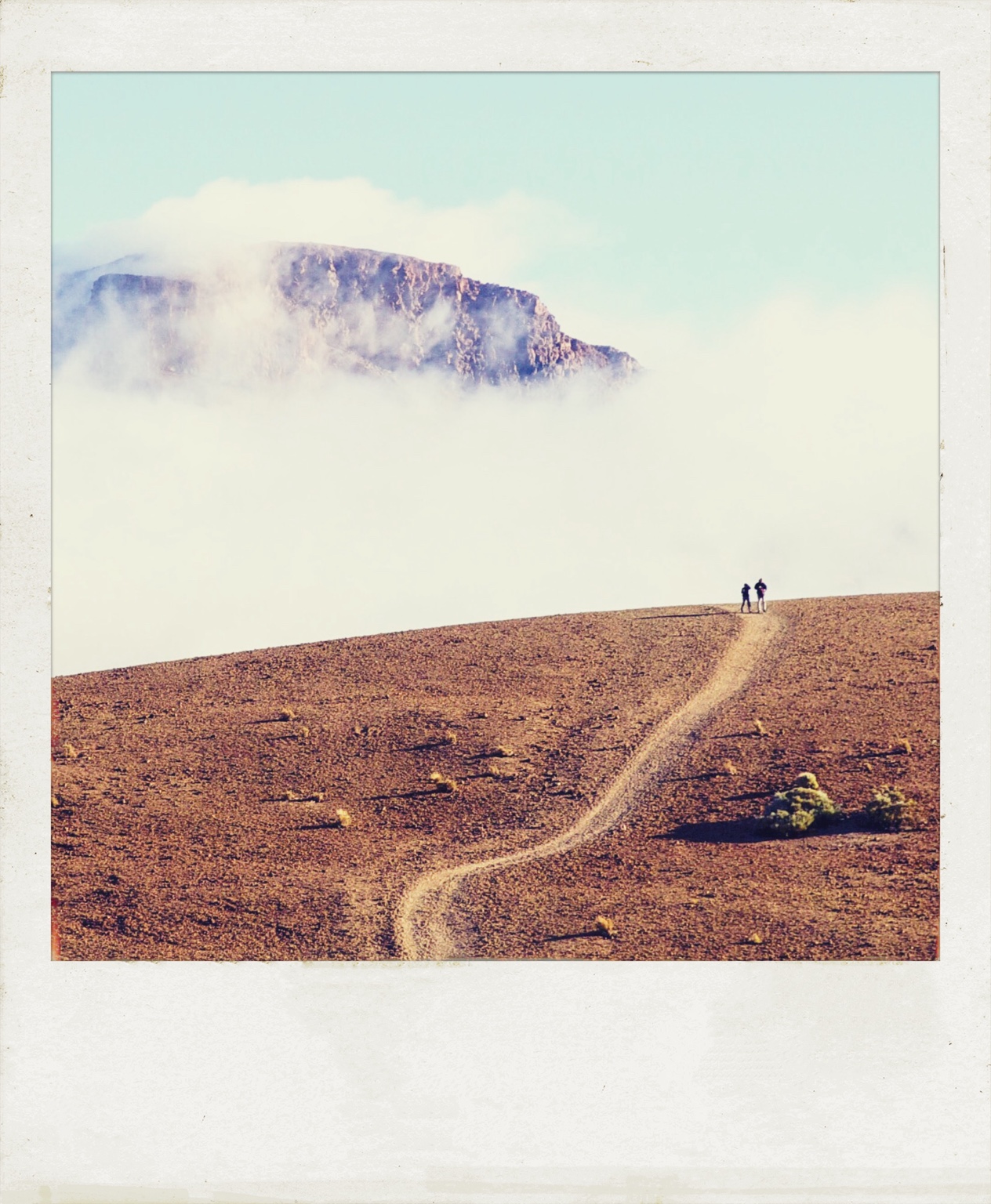
An artistic and philosophical framework
The Architecture of Change
An introduction to Transformism
A question, not a doctrine
Transformism begins with the idea that there may be a design flaw in an evolution that appears to need suffering in order to set change in motion.
It does not deny pain, loss or adversity. It simply refuses to accept them as the only possible engines of growth. Transformism is not a doctrine or a programme, but an open framework for artistic enquiry.
01
Part I — Where Transformism Begins
A reflective perspectiveIts central question is simple: can change also arise through insight, imagination, curiosity and connection?
This shifts attention from endurance alone towards other sources of development:
- insight → understanding
- curiosity → discovery
- connection → resilience
- imagination → possibility
I. The Possible Design Flaw
Life has often evolved through pressure, conflict and loss. Transformism asks whether this mechanism should be treated as inevitable, or whether human imagination can help design other paths towards change.
The aim is not to promise a life without difficulty, but to stop romanticising suffering as a requirement for meaning or progress.
- learning through insight
- progress through cooperation
- transformation through creativity
II. The Lydian Balance
The Lydian Balance is a reflective principle rather than a fixed moral code.
When facing a choice, it invites us to ask: does this add to suffering, reduce it, or leave it unchanged? The answer may not always be simple, but the question encourages responsibility, attention and dialogue.
III. From Reflection to Practice
Transformism becomes tangible through practices that explore possibilities rather than impose answers:
Art
Making unfamiliar possibilities visible and open to experience.
Dialogue
Bringing different perspectives together without requiring a single conclusion.
Experiment
Testing constructive alternatives on a human scale.
02
Part II — Five Starting Points
- Growth does not have to depend on suffering.
- Insight, imagination and connection can guide transformation.
- Reducing avoidable harm is a meaningful direction, not an imposed formula.
- Art creates space for questions that have no immediate answer.
- Every idea remains open to dialogue, revision and discovery.
03
Part III — Origin
6 December 2025
Transformism was formulated by Reinout Zeeger in the aftermath of profound personal loss and developed through writing, photography, music and collaborative projects.
It grew from the essay The Failed Architecture of Life. What began as a response to grief became a broader enquiry into how individuals and institutions might approach change with greater imagination and less avoidable suffering.
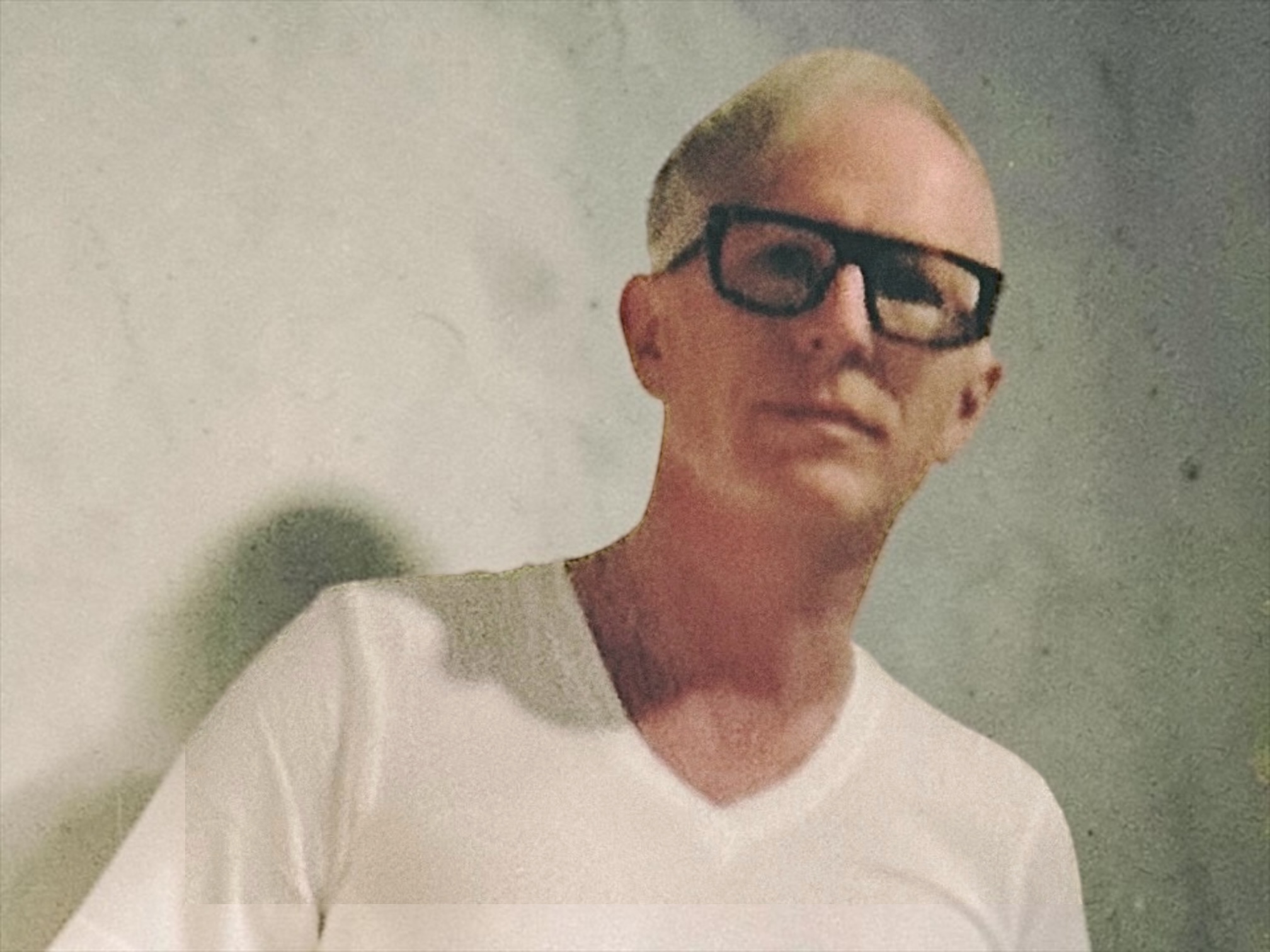
Artist and founder of Transformism
04
Part IV — In Essence
Transformism does not prescribe how the world should be reorganised. It preserves one essential question: if suffering has long driven evolution, can imagination help us discover other ways to change?